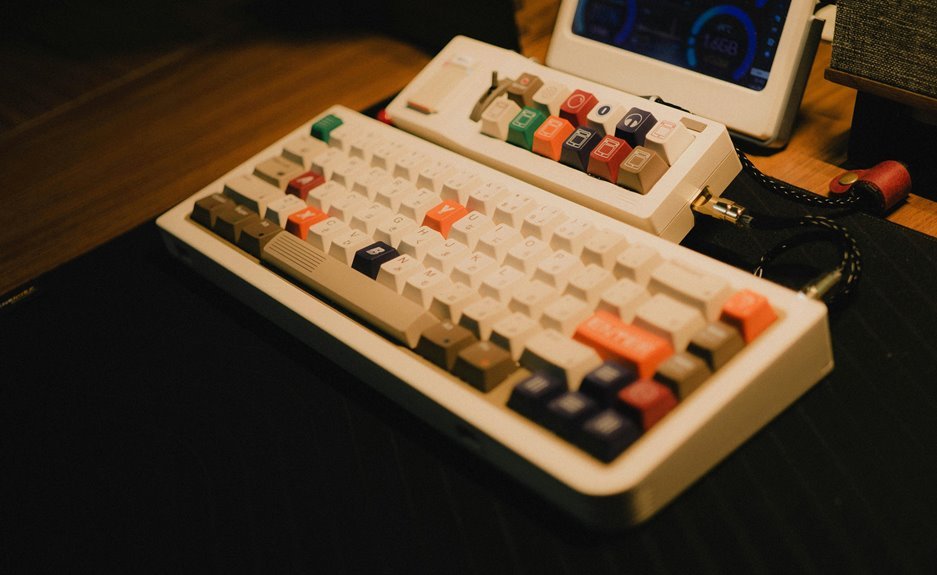
The Qwertyuiopoiuytrewqasdfghjklkjhgfdsazxcvbnmnbvcxz keyboard layout presents unique challenges in typing efficiency. Understanding its design is essential for users aiming to improve their skills. Tracking performance through a keyboard test tracker allows for the identification of key areas needing enhancement. By focusing on specific metrics, typists can formulate targeted strategies. This process not only aids in achieving personal goals but also invites further exploration into the intricacies of effective communication.
Understanding the Qwertyuiopoiuytrewqasdfghjklkjhgfdsazxcvbnmnbvcxz Layout
The Qwertyuiopoiuytrewqasdfghjklkjhgfdsazxcvbnmnbvcxz layout, although a humorous take on the traditional QWERTY keyboard, highlights the complexities of keyboard design and user ergonomics.
Its layout history reflects the evolution of typing systems, emphasizing the importance of comfort and efficiency.
Understanding this design can enhance typing ergonomics, ultimately allowing users to achieve greater freedom and productivity in their digital interactions.
The Importance of Tracking Typing Performance
While many users focus on improving their typing speed and accuracy, tracking typing performance is essential for identifying strengths and areas for improvement.
Regular performance analysis enhances typing efficiency, allowing individuals to recognize patterns and adjust techniques accordingly.
This proactive approach not only fosters personal growth but also empowers typists to achieve their desired levels of proficiency and freedom in communication.
Key Metrics to Monitor for Improvement
Monitoring key metrics is crucial for anyone looking to enhance their typing skills.
Key metrics include accuracy benchmarks, which assess the percentage of correctly typed characters, and speed assessments, measuring words per minute.
Strategies for Enhancing Typing Speed and Accuracy
To boost typing speed and accuracy, individuals can implement a variety of effective strategies. Incorporating regular typing exercises into daily practice routines enhances muscle memory and fosters familiarity with the keyboard layout.
Additionally, setting specific goals and tracking progress can motivate improvement. By prioritizing consistent practice and utilizing effective exercises, typists can achieve greater fluency and precision in their typing skills.
Conclusion
In conclusion, the Qwertyuiopoiuytrewqasdfghjklkjhgfdsazxcvbnmnbvcxz keyboard layout serves as a humorous reminder of ergonomic design’s significance. By diligently monitoring typing performance through a keyboard test tracker, individuals can identify their strengths and weaknesses. This feedback loop fosters continuous improvement, where setting specific goals coincides with enhanced skills. Ultimately, as typists navigate the complexities of their craft, they cultivate not only speed and accuracy but also a deeper connection to effective communication.