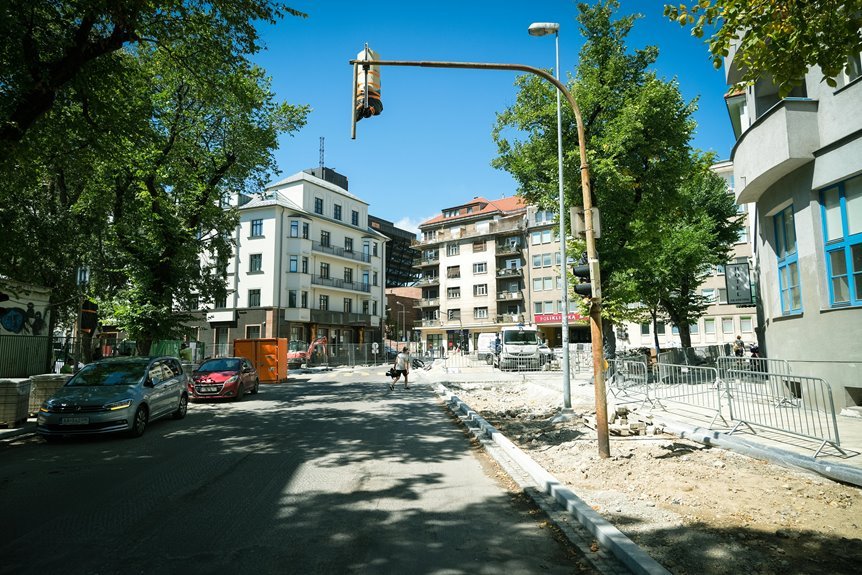
Digital Upgrade 4446891 introduces a transformative approach to urban traffic management. By implementing adaptive smart signals, the system responds to real-time conditions, optimizing commuter navigation. This advancement leverages data-driven decision-making to enhance routing efficiency and minimize delays. Moreover, it addresses safety concerns for pedestrians and cyclists. The implications of this upgrade extend beyond immediate improvements, prompting a reevaluation of urban planning strategies. What potential challenges and opportunities might arise from this significant shift?
Key Features of Digital Upgrade 4446891
The Digital Upgrade 4446891 presents a series of enhancements designed to optimize traffic flow in urban environments.
Key features include the deployment of smart signals, which adapt to real-time traffic conditions, and robust data integration systems that aggregate information from various sources.
This technological synergy enhances decision-making, promoting efficient mobility while ensuring that urban traffic management aligns with the principles of freedom and accessibility for all users.
Benefits for Daily Commuters
While navigating through congested urban landscapes, daily commuters stand to gain significantly from the advancements introduced by the Digital Upgrade 4446891.
This upgrade enhances commuter convenience through real-time traffic updates and optimized routing. Consequently, it promotes travel efficiency by reducing delays and streamlining travel times, ultimately allowing commuters to reclaim valuable time and enhance their overall daily experience in urban transit.
Enhancing Safety for All Road Users
Advancements in traffic management systems, such as those introduced by the Digital Upgrade 4446891, not only improve commuter convenience but also significantly enhance safety for all road users.
Long-Term Implications for Urban Planning
As urban areas increasingly adopt advanced traffic management systems, the long-term implications for urban planning become evident.
Enhanced data analytics facilitate urban sustainability by optimizing traffic flow and reducing congestion.
Moreover, these systems promote infrastructure resilience, allowing cities to adapt to evolving transportation needs.
Ultimately, such innovations empower communities, fostering a sense of freedom while addressing the challenges of modern urban environments.
Conclusion
In conclusion, Digital Upgrade 4446891 serves as a beacon of innovation in urban traffic management, akin to a conductor orchestrating a symphony of movement. By seamlessly integrating intelligent signals and data systems, it not only cultivates a harmonious flow for commuters but also prioritizes the safety of vulnerable road users. As cities evolve, this upgrade lays the groundwork for more sustainable urban landscapes, facilitating a future where mobility is both efficient and equitable for all denizens.